Glosario de Historia Naval
Definiciones de los términos utilizados en los artículos de la sección de Historia Naval de Vientos de Poniente.
Relacionado: Glosario ampliado + todos los recursos
Relacionado: Glosario IA: 50 términos esenciales
Navío de línea
Buque de guerra de gran porte, con entre 60 y 120 cañones distribuidos en dos o tres cubiertas. Era la columna vertebral de las armadas del siglo XVIII, diseñado para combatir en la línea de batalla.
Fragata
Buque de guerra más pequeño y rápido que un navío, con una sola cubierta de cañones (entre 24 y 44). Usado para exploración, escolta y misiones independientes.
Sistema Gaztañeta
Método de construcción naval desarrollado por Antonio de Gaztañeta (1720). Se caracterizaba por cascos robustos y de manga ancha, priorizando la solidez sobre la velocidad.
Sistema de construcción híbrido que combinaba los gálibos afinados ingleses con los refuerzos estructurales de la tradición ibérica. Introducido por Jorge Juan tras su misión en Inglaterra (1749).
Carronada
Pieza de artillería de caña corta y gran calibre, diseñada para el combate a corta distancia. Conocida como «the smasher» por su capacidad destructiva. Adoptada por la Armada española tras pruebas en Cádiz (1790-1797).
Cañón largo
Pieza de artillería de caña larga, calibres de 12, 18 y 24 libras. Usada para el combate a distancia, perforando el casco enemigo antes del abordaje.
Arsenal
Complejo industrial militar donde se construían, reparaban y armaban los buques de guerra. Los principales arsenales españoles fueron Ferrol, Cartagena, La Carraca (Cádiz) y La Habana.
Técnica de construcción que reforzaba el casco colocando las tablas del forro en diagonal, aumentando la resistencia longitudinal sin incrementar el peso. Introducida por Jorge Juan.
Real Armada
Nombre oficial de la marina de guerra española durante el Antiguo Régimen, especialmente bajo los Borbones en el siglo XVIII.
Corso
Actividad de buques privados autorizados por la Corona para atacar y apresar naves enemigas en tiempos de guerra. Regulado por las Ordenanzas de Corso.
Presas
Barcos enemigos capturados en el mar, que pasaban a ser propiedad del captor y eran subastados. El sistema de presas era una fuente importante de ingresos para la Armada y los corsarios.
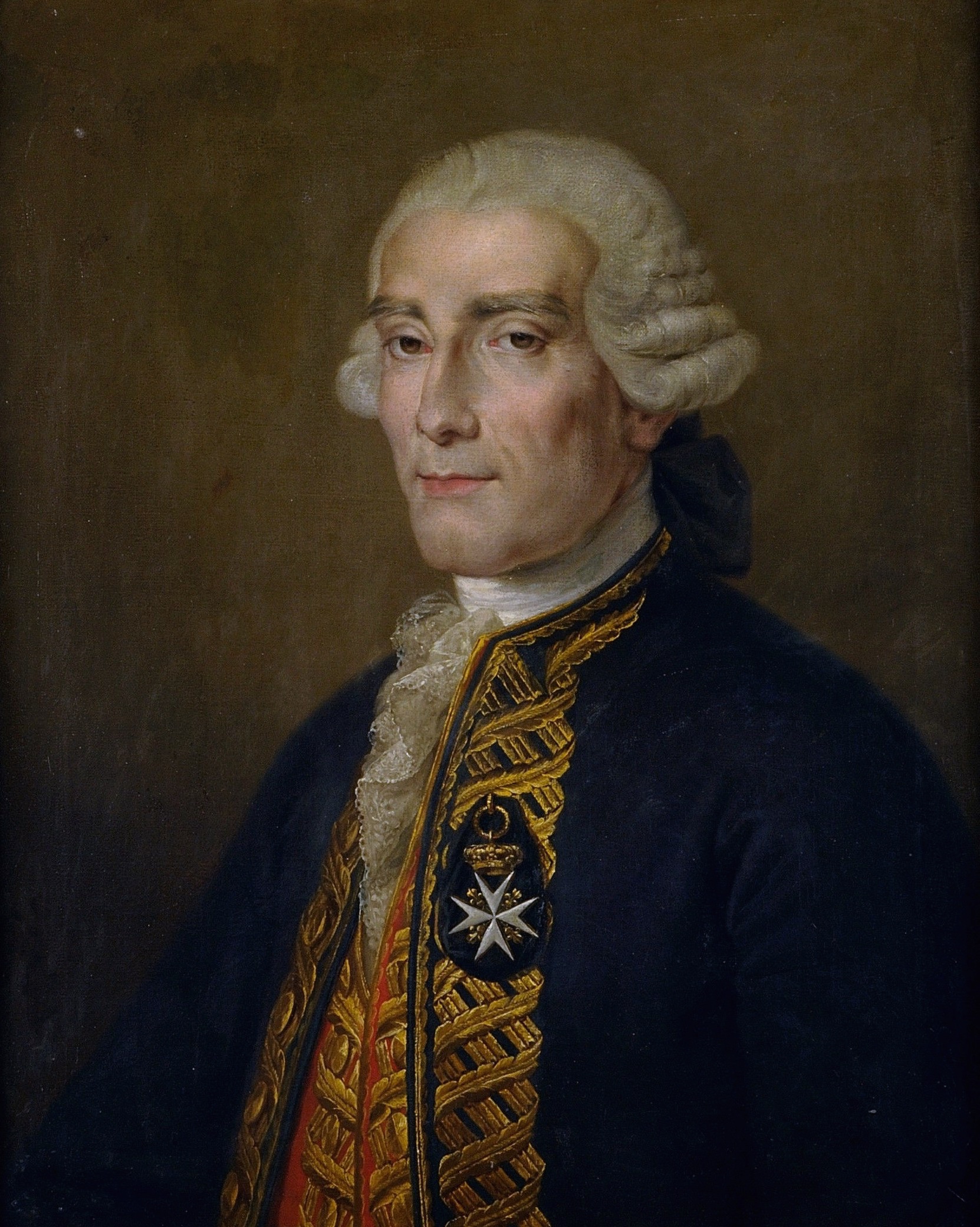
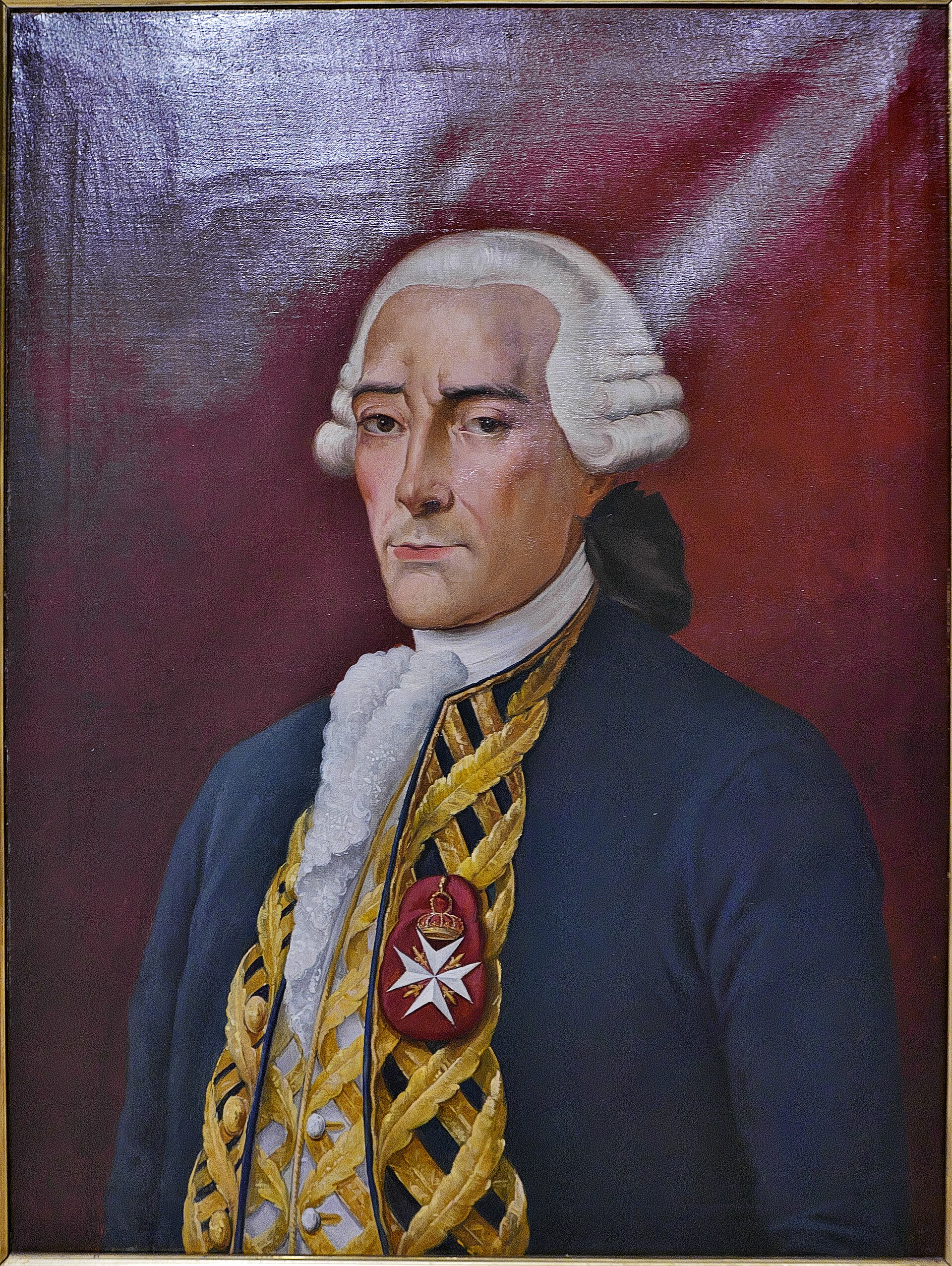
Zenón de Somodevilla, marqués de la Ensenada. Ministro de Marina de Fernando VI, impulsor de la renovación naval española en el siglo XVIII. Artífice de la misión de Jorge Juan en Inglaterra.
Cañón de 74
Buque de guerra con 74 cañones en dos cubiertas. Considerado el «caballo de batalla» de las armadas del siglo XVIII por su equilibrio entre potencia de fuego, velocidad y maniobrabilidad.
Galeón
Buque de gran porte usado para el comercio transoceánico entre España y América. El galeón de Manila conectaba Filipinas con Acapulco, transportando seda, especias y plata.
Artillería naval
Conjunto de piezas de artillería montadas a bordo de un buque de guerra. Incluía cañones largos, carronadas y obuses, distribuidos en baterías por cubiertas.
Cubierta de batería
Cubierta donde se instalan los cañones principales. Un navío de línea tenía dos o tres cubiertas de batería, con 28-30 cañones por cubierta.
Corso español
Sistema de guerra marítima donde buques privados autorizados por la Corona atacaban el comercio enemigo. Regulado por ordenanzas específicas que establecían el reparto de presas.
Sistema de presas
Mecanismo legal y económico mediante el cual los barcos enemigos capturados pasaban a propiedad del captor. Las presas se subastaban y los beneficios se repartían entre la tripulación y la Corona.
Misión Jorge Juan
Viaje secreto de Jorge Juan a Inglaterra (1749) para estudiar los métodos de construcción naval ingleses y reclutar maestros de astillero. Resultó en la introducción del sistema de construcción híbrido español.
La Carraca
Arsenal naval español ubicado en San Fernando (Cádiz). Uno de los principales astilleros del siglo XVIII, especializado en la construcción de navíos de gran porte.
Línea de batalla
Formación táctica naval donde los navíos se colocan en fila para presentar su artillería al enemina. Dominó la guerra naval desde el siglo XVIII hasta la era industrial.
Abordaje
Táctica de combate naval que consiste en lanzarse sobre el buque enemigo para capturarlo mediante combate cuerpo a cuerpo. Requería gran habilidad marinera y valentía.
Navío de 80 cañones
Tercera clase de navío de línea, con tres cubiertas y 80 cañones. Más potente que el de 74, pero más lento y costoso de mantener.
Fragata de 24
Fragata de la quinta clase, con 24 cañones. La más pequeña de las fragatas, usada para misiones de exploración y comunicaciones.
Carena
Parte sumergida del casco de un buque. Su forma determina la velocidad, estabilidad y capacidad de maniobra del navío.
Obras vivas y muertas
La obra viva es la parte sumergida del casco; la obra muerta, la que sobresale del agua. La línea de flotación las separa. La relación entre ambas determina la estabilidad.
Jarcia firme y de labor
La jarcia firme son los cabos fijos que sostienen los mástiles (obenques, burdas, estays). La jarcia de labor son los cabos móviles que maniobran las velas (brazos, escotas, drizas).
Armada Borbónica
Renovación de la marina de guerra española bajo la dinastía borbónica (siglo XVIII). Incluyó la modernización de astilleros, la adopción de nuevos sistemas de construcción y la formación de oficiales técnicos.
Ordenanzas de navegación
Cuerpo legal que regulaba la construcción, armamento y navegación de los buques españoles. Establecían dimensiones, dotaciones y obligaciones de los navíos de guerra.
Señales de mar
Sistema de comunicación entre navíos mediante banderas, luces y disparos. Permitía coordinar maniobras de flota sin necesidad de reunir los barcos.
Mástil
Pieza vertical de madera o metal que se eleva desde la cubierta de un buque para sostener las vergas, velas y jarcia. Un navío de línea tenía tres mástil: trinquete, mayor y mesana.
Trinquete
Mástil más proa (delantero) de un navío de línea. Soporta las velas de proa y es fundamental para la maniobrabilidad del buque.
Mástil Mayor
Mástil central y más alto de un navío. Soporta las velas más grandes y es el principal responsable de la propulsión del buque.
Mesana
Mástil más popa (trasero) de un navío. Soporta la cangreja y otras velas de gobierno, ayudando a mantener el rumbo.
Babor y Estribor
Babor es el lado izquierdo del buque mirando hacia proa; estribor, el derecho. Son términos fundamentales de orientación náutica.
Proa y Popa
Proa es la parte delantera del buque; popa, la trasera. La línea de crujía une ambas y divide el casco en dos mitades simétricas.
Timón
Dispositivo de gobierno situado en la popa que permite dirigir el buque. Consta de caña (palanca) y pala (parte sumergida). En navíos grandes requería varios hombres para maniobrar.
Crujía
Pasillo central del navío que recorre el barco de proa a popa. Sirve de eje de referencia para la distribución de pesos y la organización interna.
Camarote
Compartimento interior del navío destinado al alojamiento de oficiales. Los marineros dormían en hamacas entre los cañones de las cubiertas inferiores.
Bodega
Espacio interior del casco destinado a carga, víveres, agua y municiones. La correcta distribución de la bodega era esencial para la estabilidad del buque.
Lastre
Peso (piedras, arena, hierro) colocado en el fondo del casco para mejorar la estabilidad cuando el buque navega sin carga. Se lastraba o deslastraba según las condiciones.
Cabuyería
Arte de hacer nudos, empalmes y operaciones con cabos. Es una habilidad fundamental de todo marinero, desde el grumete hasta el contramaestre.
Contramaestre
Oficial de mar responsable de la maniobra del buque, la jarcia y la disciplina de la marinería. Actúa como enlace entre oficiales y tripulación.
Grumete
Marinero en formación, generalmente joven, que aprendía el oficio de la navegación. Los grumetes realizaban las tareas más duras y peligrosas del barco.
Guardiamarina
Aspirante a oficial de marina que servía a bordo para completar su formación. Equivalente naval del cadete militar, aprendía navegación, táctica y mando.
Piloto Naval
Oficial especializado en navegación costera y de altura. Responsable de trazar rumbos, determinar la posición del buque y evitar peligros de la navegación.
Cabo
Cuerda de cualquier grosor usada a bordo. Los cabos se clasifican por su función: escotas, brazos, drizas, obenques, etc. La cabuyería es el arte de trabajar con ellos.
Verga
Percha horizontal cruzada sobre un mástil para sostener velas cuadras. Las vergas se izan, arrian y orientan mediante la jarcia de labor.
Vela Cuadra
Vela de forma rectangular o trapezoidal que cuelga de una verga. Es la vela típica de los navíos de línea, eficiente para vientos de popa pero limitada para navegar contra el viento.
Cangreja
Vela triangular que se iza en el mástil de mesana. Permite navegar más cerca del viento que las velas cuadras y es esencial para la maniobra de bordeo.
Bordeo
Maniobra de navegación en zigzag contra el viento. El navío alterna entre babor y estribor para avanzar en dirección contraria al viento. Requiere habilidad y coordinación de toda la tripulación.
Fondear
Acción de echar el ancla para detener y fijar el buque en un lugar determinado. Se elige el fondeadero según el fondo, la profundidad y la protección contra vientos y corrientes.
Ancla
Peso de hierro que se sumerge para fijar el buque al fondo. Los navíos llevaban varias anclas de diferentes tamaños: la mayor para emergencias, las menores para fondeo rutinario.
Estay
Cabo de jarcia firme que sostiene el mástil desde proa. Trabaja en tensión opuesta al obenque de popa y es fundamental para la estabilidad de la arboladura.
Obenque
Cabo de jarcia firme que sostiene el mástil lateralmente. Cada mástil tiene obenques a babor y estribor, que se tensan con tensores o guardacabos.
Escota
Cabo de jarcia de labor que controla el ángulo de una vela respecto al viento. Soltando o cazando la escota se ajusta la vela para máxima eficiencia.
Brazo
Cabo que orienta horizontalmente la verga. Permite girar la verga para aprovechar el viento desde diferentes ángulos. Se maneja desde cubierta.
Driza
Cabo de jarcia de labor que iza o arria una vela o verga. Las drizas pasan por motones (poleas) en el mástil y se manejan desde cubierta.
Motón
Polea o garrucha usada a bordo para cambiar la dirección de los cabos y multiplicar la fuerza. Los motones son esenciales en la jarcia de labor.
Bujarda
Cabo de jarcia firme que sostiene el mástil desde popa. Trabaja en oposición al estay y completa el sistema de sujeción de la arboladura.
Trinqueta
Vela de proa que se iza en el bauprés o en el trinquete. Incluye el foque y el velacho, y es fundamental para la maniobra de bordeo.
Bauprés
Percha horizontal o inclinada que sobresale de la proa del navío. Soporta las velas de proa (trinqueta) y es el punto más adelantado del buque.
Pescante
Brazo articulado que sobresale de la borda para sostener el ancla o para maniobras de carga y descarga. El pescante de ancla evita daños en el casco.
Borda
Parte superior del costado del navío, desde la cubierta hasta el borde superior. La borda protege a la tripulación y evita que el agua entre en el barco.
Costado
Cada uno de los dos lados del casco: costado de babor y costado de estribor. El costado incluye el forro exterior, las cuadernas y la estructura interna.
Forro
Revestimiento exterior del casco, formado por tablones de madera o planchas de metal. El forro impermeabiliza el buque y protege la estructura interna.
Cuaderna
Pieza curva transversal que forma la estructura del casco. Las cuadernas se unen a la quilla y al forro, dando forma y resistencia al barco.
Varenga
Cuaderna maestra o central del navío, la más ancha y fuerte. Marca la manga máxima del buque y es referencia para la construcción del casco.
Manga
Anchura máxima del buque, medida en la varenga. La relación entre eslora y manga determina la velocidad y estabilidad del navío.
Puntal
Altura del buque desde la quilla hasta la cubierta principal. El puntal determina el calado y la capacidad de carga del navío.
Calado
Profundidad que el buque sumerge en el agua. El calado varía según la carga y determina los puertos y canales accesibles para el navío.
Candiles
Aberturas en la cubierta para ventilación e iluminación de las bodegas y camarotes. Se podían cerrar con portezuelas en caso de mal tiempo.
Escotilla
Abertura rectangular en la cubierta para acceder a las bodegas, cargar mercancías o subir pertrechos. Se cierra con una tapa estanca.
Portalón
Puerta o abertura en el costado del navío para embarcar/desembarcar personas, carga o cañones. Se cerraba con portezuelas cuando el barco estaba en navegación.
Bombarda
Pieza de artillería de gran calibre y corto alcance, usada para disparar bolas de piedra o hierro a quemarropa. Fue precursora del cañón naval.
Pedrero
Pequeña pieza de artillería que disparaba piedras o metralla. Se montaba en las bordas y cofas para el combate a corta distancia y el fuego contra la tripulación enemiga.
Cofa
Plataforma circular o hexagonal en la parte superior de los mástiles. Sirve de base para el obenque superior y de puesto de observación para vigías y tiradores de élite.
Gavia
Vela cuadrada más alta de cada mástil, situada sobre la sobrevela. La gavia del mayor era la vela superior del navío y requería gran habilidad para manejar.
Sobrevela
Vela cuadrada situada entre la vela maestra y la gavia. Las sobrevelas aumentaban la superficie vélica y la velocidad del navío con vientos favorables.
Vela Maestra
Vela cuadrada principal de cada mástil, la más grande y baja. La vela maestra del mayor era la superficie vélica fundamental del navío de línea.
Foque
Vela triangular de proa que se iza en el bauprés o estay de proa. Es fundamental para la maniobra de bordeo y para mantener la proa al viento.
Velacho
Vela de proa que se iza sobre el foque, en el estay del trinquete. Aumenta la superficie vélica de proa y mejora la maniobrabilidad.
Juneta
Vela pequeña que se iza sobre la cangreja, en el mástil de mesana. Mejora la capacidad de maniobra del navío con vientos de popa.
Botavara
Percha que prolonga el pico del bauprés para sostener estays adicionales. Permite izar más velas de proa y mejora la maniobrabilidad del navío.
Moneta
Cabo o cadena que conecta el ancla con el buque. La moneta debe ser resistente y de longitud suficiente para que el ancla agarre correctamente en el fondo.
Boza
Cabo usado para amarrar el buque al muelle o a otro barco. Las bozas se hacen firmes en bitas o bolardos y mantienen el navío en su posición de atraque.
Bita
Columna de hierro o madera en cubierta para amarrar cabos. Las bitas soportan la tensión de las amarras y son fundamentales en las maniobras de atraque y desatraque.
Cabrestante
Máquina de eje vertical usada para izar anclas, cargar pesos o tensar cabos. Se acciona con palancas (manezuelas) y requiere varios hombres para funcionar.
Cabirón
Pequeño ancla auxiliar usada para operaciones de maniobra, como barar el ancla principal o fondear en emergencias. Los navíos llevaban varios cabirones de repuesto.
Estopor
Dispositivo que frena la cadena del ancla durante el fondeo. El estopor evita que la cadena salga demasiado rápido y se enrede o dañe el cabrestante.
Escobén
Abertura en la proa del navío por donde sale la cadena del ancla. El escobén debe ser liso para evitar que la cadena se enganche o desgaste.
Parasol
Cubierta ligera o toldo que protege la cubierta del sol y la lluvia. En climas tropicales, el parasol era esencial para el confort de la tripulación.
Toldo
Cubierta de lona que se extiende sobre la cubierta para proteger del sol o la lluvia. Los toldos se sostienen con桅杆 (mástiles) y cabos.
Bote
Embarcación menor que se lleva a bordo del navío para desembarcos, comunicaciones entre barcos o maniobras en puerto. Los navíos llevaban varios botes colgados en pescantes.
Lancha
Bote grande y robusto usado para transportar carga, personas o anclas. La lancha era la embarcación auxiliar más importante del navío de línea.
Chinchorro
Bote pequeño y ligero usado para sondear, remolcar o comunicaciones. El chinchorro era fácil de arriar y recuperar, incluso en mal tiempo.
Patache
Pequeña embarcación auxiliar usada para exploración, correos o apoyo al navío principal. El patache era más rápido y maniobrable que el navío.
Pinaza
Embarcación menor de remo y vela, usada para maniobras en puerto, desembarcos o comunicaciones. La pinaza era la embarcación auxiliar más versátil del navío.
Bergantín
Buque de dos mástiles, con velas cuadras en el trinquete y cangreja en la mesana. Más pequeño y rápido que el navío, usado para exploración, correos y escolta.
Goleta
Buque de dos o más mástiles con velas de canrega (triangulares). La goleta es muy maniobrable y eficiente para navegar contra el viento.
Paquebote
Buque de vapor usado para el transporte de correo, pasajeros y carga. Los paquebotes fueron los primeros buques de vapor regulares en las rutas transatlánticas.
Buque de Vapor
Buque propulsado por máquina de vapor, independiente del viento. La introducción del vapor revolucionó la navegación naval en el siglo XIX.
Hélice
Sistema de propulsión submarina que reemplazó a las ruedas de palas. La hélice es más eficiente y menos vulnerable al fuego enemigo.
Máquina de Vapor
Motor que convierte el calor del vapor en movimiento mecánico. En navegación naval, la máquina de vapor accionaba las ruedas de palas o la hélice.
Carbón
Combustible sólido usado en las máquinas de vapor navales. El aprovisionamiento de carbón era logísticamente complejo y limitaba el radio de acción de los buques de vapor.
Estación Carbonera
Base naval o puerto equipado para el aprovisionamiento de carbón. Las estaciones carboneras eran estratégicas para mantener la flota operativa.
Carena Húmeda
Instalación portuaria donde un buque se sumerge parcialmente para reparar o limpiar el casco. La carena húmeda es anterior al dique seco.
Dique Seco
Instalación portuaria que permite sacar un buque del agua para reparaciones en el casco. El dique seco es esencial para el mantenimiento de la flota.
Carenado
Operación de limpieza y reparación del casco del buque. El carenado periódico es esencial para mantener la velocidad y estabilidad del navío.
Calafateo
Operación de sellar las juntas entre tablones del casco con estopa y brea. El calafateo es esencial para mantener la estanqueidad del buque.
Barniz
Capa protectora aplicada a la madera del casco y la arboladura. El barniz protege contra la humedad, los parásitos y el desgaste.
Alquitrán
Sustancia negra y viscosa usada para impermeabilizar cabos, jarcias y el casco. El alquitrán protegía la madera contra la putrefacción.
Brea
Residuo de la destilación de la madera o el carbón, usado para calafatear y proteger el casco. La brea era un material esencial en todo astillero naval.
Estopa
Cabo de fibra vieja o cáñamo usado para calafatear las juntas del casco. La estopa se introduce en las juntas y se cubre con brea para sellar.
Cabo de Cáñamo
Cabo hecho de fibras de cáñamo, el material más común para jarcias y amarras. El cáñamo era resistente pero se pudría en agua salada si no se alquitranaba.
Cabo de Manila
Cabo hecho de fibras de abacá, más resistente y ligero que el cáñamo. El manila se importaba de Filipinas y era muy valorado para jarcias de labor.
Cabo Retorcido
Cabo formado por torones (grupos de hilos) retorcidos en espiral. El retorcido da resistencia y flexibilidad al cabo.
Torón
Conjunto de hilos retorcidos que forman un cabo. Los torones se tuercen juntos para formar el cabo final.
Hilo
Unidad básica de fibra torcida que forma un cabo. Los hilos se retorcen en torones, y los torones en cabos.
Nudo
Unión o retorcido de un cabo consigo mismo o con otro. Los nudos náuticos (llano, as de guía, vuelta de rezón) son fundamentales para la seguridad a bordo.
Empalme
Unión de dos cabos por sus hebras, sin hacer nudos. Un buen empalme mantiene la resistencia del cabo y permite que pase por motones.
Costura
Unión de dos piezas de lona o vela con aguja e hilo. La costura de velas requería habilidad y era trabajo de los veleros del navío.
Velero
Especialista en la confección y reparación de velas. El velero era un oficio esencial en todo navío de guerra o mercante.
Tonel
Barril grande usado para almacenar agua, vino, pólvora o mercancías. Los toneles eran la unidad de medida de capacidad del buque.
Pipa
Barril de tamaño medio usado para líquidos. Las pipas de agua o vino eran esenciales para la supervivencia de la tripulación en travesías largas.
Barrica
Pequeño barril usado para pólvora, pólvora o provisiones. Las barricas se almacenaban en la bodega, bien aseguradas para evitar movimientos.
Bodega de Barriles
Espacio de la bodega destinado a almacenar barriles de agua, vino, carne o pólvera. La correcta estiba de barriles era esencial para la estabilidad.
Víveres
Provisiones de comida y bebida para la tripulación. Los víveres (galleta, carne salada, vino, legumbres) determinaban la duración máxima de la travesía.
Galleta de Navío
Pan cocido varias veces para su conservación, el alimento básico de la marinería. La galleta se endurecía con el tiempo y había que mojarla en agua o caldo para comerla.
Carne Salada
Carne conservada en sal, la principal fuente de proteína en la marinería. La carne salada era dura y requería cocción prolongada para ser comestible.
Vino de Navío
Vino racionado a la tripulación, mezclado a veces con agua. El vino era esencial para la moral y la hidratación, aunque se estropeaba rápidamente en climas cálidos.
Ron
Bebida alcohólica destilada de la caña de azúcar, racionada a la marinería. El ron era más estable que el vino y se mezclaba con agua y limón para prevenir el escorbuto.
Escorbuto
Enfermedad causada por la falta de vitamina C, endémica en la marinería de larga distancia. El escorbuto causaba hemorragías, pérdida de dientes y muerte.
Limón
Fruta cítrica rica en vitamina C, usada para prevenir el escorbuto. El consumo regular de limón o lima era la principal defensa contra esta enfermedad.
Médico de Navío
Cirujano o médico encargado de la salud de la tripulación. El médico naval trataba heridas de combate, enfermedades y realizaba amputaciones sin anestesia.
Hospital de Navío
Espacio a bordo destinado a atender enfermos y heridos. El hospital naval estaba en la cubierta inferior, con mesas de camillas y quirófano improvisado.
Herido
Marinero o soldado lesionado en combate o accidente. Los heridos eran atendidos en el hospital de navío, con medios limitados y sin anestesia moderna.
Muerto
Tripulante fallecido en combate o por enfermedad. Los muertos se envolvían en la hamaca y se enterraban en mar, con una bala de cañón para que se hundieran.
Hamaca
Cama colgante de lona o red, usada por la marinería para dormir. Las hamacas se colgaban entre los cañones y se recogían durante el día.
Colchoneta
Colchón fino usado por los oficiales en sus camarotes. La colchoneta era un lujo comparada con la hamaca de la marinería.
Sable
Arma blanca curva usada por oficiales y marineros en el abordaje. El sable era el arma principal en el combate cuerpo a cuerpo sobre cubierta.
Espada
Arma blanca recta usada por oficiales como símbolo de mando. La espada era más ceremonial que práctica en el combate naval.
Pistola
Arma de fuego corta usada por oficiales y marineros en el abordaje. La pistola de chispa era de un solo tiro y se usaba a quemarropa.
Mosquete
Arma de fuego larga usada por marineros e infantes de marina. El mosquete de chispa era lento de cargar pero letal a corta distancia.
Fusil
Arma de fuego larga y precisa, usada por tiradores de élite. El fusil de chispa era más exacto que el mosquete y se usaba desde las cofas.
Bala de Cañón
Proyectil de hierro o piedra disparado por un cañón. La bala de cañón era el proyectil estándar para dañar el casco y la arboladura del enemigo.
Metralla
Fragmentos de hierro o plomo disparados en un cartucho. La metralla se usaba contra la tripulación enemiga a corta distancia.
Palanqueta
Barra de hierro usada para cargar el cañón. La palanqueta empujaba la bala y el cartucho hasta el fondo del ánima.
Atacador
Herramienta de madera o hierro usada para empujar la bala hasta el fondo del cañón. El atacador era esencial para cargar correctamente el cañón.
Lanada
Acción de limpiar el ánima del cañón después de cada disparo. La lanada evitaba que quedaran restos de pólvora que pudieran causar una explosión prematura.
Botafuego
Mecha o cuerda encendida usada para disparar el cañón. El botafuego se aplicaba al fogón del cañón para encender la pólvora.
Fogón
Pequeño orificio en la parte superior del cañón por donde se introduce la pólvora para disparar. El fogón se encendía con el botafuego.
Pólvora
Mezcla explosiva de salpeter, carbón y azufre, usada para disparar cañones. La pólvora se almacenaba en la santabárbara, protegida de la humedad y las chispas.
Santabárbara
Compartimento en la parte más baja del navío destinado a almacenar pólvora. La santabárbara estaba protegida y solo se accedía con permiso del oficial.
Mecha
Cuerda encendida o mecha lenta usada para disparar cañones o explosivos. La mecha permitía al artillero alejarse antes del disparo.
Granada
Bola de hierro hueca llena de pólvora, con mecha. La granada se lanzaba a mano o con obús para causar bajas en la tripulación enemiga.
Obús
Pieza de artillería de corto alcance y trayectoria curva. El obús disparaba granadas y bolas de mortero contra el interior del buque enemigo.
Mortero
Pieza de artillería de muy corto alcance y trayectoria vertical. El mortero disparaba bombas en arco para caer sobre la cubierta enemiga.
Bombarda
Pieza de artillería primitiva de gran calibre. La bombarda disparaba bolas de piedra o hierro y fue precursora del cañón naval.
Pedral
Pequeña pieza de artillería que disparaba piedras o metralla. El pedral se montaba en las bordas para el combate a corta distancia.
Culebrina
Cañón largo y estrecho, precursor del cañón naval. La culebrina tenía mayor alcance y precisión que la bombarda.
Pieza de artillería intermedia entre la culebrina y el cañón. La media culebrina era más maniobrable que la culebrina y más potente que el cañón.
Tercio
Formación de infantería de marina en cuadro. El tercio era la unidad básica de desembarco y combate en tierra.
Infantería de Marina
Cuerpo militar especializado en desembarcos, abordaje y combate en tierra. La infantería de marina era el cuerpo de élite del navío de línea.
Marinero
Tripulante del navío encargado de la navegación y maniobra. El marinero era la base de la tripulación, junto con los grumetes y oficiales de mar.
Marinería
Conjunto de marineros y grumetes que manejan el navío. La marinería se organizaba en guardias y cuartos para las maniobras.
Oficial
Mando del navío con autoridad sobre la tripulación. Los oficiales incluyen almirantes, capitanes, tenientes y alféreces.
Capitán
Mando supremo del navío, responsable de la navegación, combate y disciplina. El capitán tenía autoridad absoluta en el mar.
Teniente
Oficial subordinado al capitán, responsable de un sector del navío. Los tenientes mandaban las guardias y las baterías de cañones.
Alférez
Oficial subalterno, el rango más bajo de la oficialidad. El alférez era responsable de la guardia y la transmisión de órdenes.
Guardia
Turno de vigilancia y servicio a bordo. La guardia se dividía en cuartos y relevaba cada 4 horas.
Cuarto
Período de 4 horas de guardia. Los cuartos se nombraban: de 8 a 12, de 12 a 4, de 4 a 8, etc.
Campana
Instrumento que marca los cuartos y las señales de a bordo. La campana se tocaba cada media hora para indicar el tiempo.
Farol
Señal luminosa usada para comunicación entre navíos. Los faroles de señales permitían transmitir órdenes en la oscuridad.
Bandera
Señal visual usada para identificar el navío o transmitir órdenes. La bandera nacional, la de combate y las de señales eran fundamentales.
Pabellón
Bandera nacional que identifica el navío. El pabellón se izaba en la popa y era símbolo de soberanía.
Corneta
Instrumento musical usado para transmitir órdenes en combate. La corneta reemplazaba las órdenes verbales cuando el ruido impedía oír.
Tambor
Instrumento de percusión usado para marcar el ritmo en maniobras y combate. El tambor era esencial para coordinar los remeros y la infantería.
Pito
Silbato usado por el contramaestre para transmitir órdenes. El pito tenía diferentes toques para cada maniobra.
Bocina
Instrumento de voz usado para transmitir órdenes a distancia. La bocina amplificaba la voz del oficial en medio del ruido del combate.
Tabla de Órdenes
Lista de señales y sus significados, usada para la comunicación entre navíos. La tabla de órdenes era conocida por todos los oficiales.
Señal
Comunicación visual o sonora entre navíos. Las señales permitían coordinar maniobras de flota sin necesidad de reunir los barcos.
Reconocimiento
Misión de exploración para identificar buques enemigos o costas. El reconocimiento era la primera fase de cualquier operación naval.
Escolta
Misión de protección de un convoy o buque valioso. La escolta requería navíos rápidos y maniobrables.
Convoy
Grupo de buques mercantes protegidos por navíos de guerra. El convoy era la forma más segura de transportar mercancías en tiempo de guerra.
Bloqueo
Operación naval para impedir la entrada o salida de buques de un puerto. El bloqueo era una estrategia para asfixiar económicamente al enemigo.
Asedio
Operación militar para capturar una plaza o puerto por hambre o bombardeo. El asedio naval combinaba bloqueo y ataque terrestre.
Desembarco
Operación militar para poner tropas en tierra desde navíos. El desembarco requería coordinación entre la flota y la infantería de marina.
Reembarco
Operación para retirar tropas de tierra a los navíos. El reembarco era tan delicado como el desembarco y requería protección naval.
Bombardeo
Ataque con artillería naval contra objetivos en tierra. El bombardeo requería navíos con cañones de gran calibre y ángulo de elevación.
Fuego
Disparo de artillería. «Abrir fuego» era la orden de comenzar el ataque con cañones.
Andanada
Descarga simultánea de todos los cañones de una banda. La andanada era el ataque más devastador del navío de línea.
Batería
Conjunto de cañones de una cubierta o banda. La batería principal del navío de línea tenía 28-30 cañones.
Babor
Lado izquierdo del navío mirando hacia proa. La banda de babor era una de las dos mitades del navío.
Estribor
Lado derecho del navío mirando hacia proa. La banda de estribor era una de las dos mitades del navío.
Banda
Cada uno de los dos lados del navío: banda de babor y banda de estribor. La banda se usaba para referirse a todo el costado.
Fogón
Pequeño orificio en la parte superior del cañón por donde se introduce la pólvora. El fogón se encendía con el botafuego.
Ánima
Interior del tubo del cañón. El ánima debía estar limpia y seca antes de cada disparo.
Boca del Cañón
Extremo abierto del cañón por donde sale el proyectil. La boca era la parte más expuesta al fuego enemigo.
Culata
Parte trasera del cañón, cerrada. La culata soportaba la explosión de la pólvora y era la parte más gruesa del cañón.
Muela
Círculo de hierro que reforzaba la culata del cañón. La muela evitaba que la culata se fracturaba con la explosión.
Muñón
Saliente lateral del cañón que permitía elevar o bajar la boca. Los muñones se apoyaban en el carro del cañón.
Carro del Cañón
Armazón de madera con ruedas que soportaba el cañón. El carro permitía retroceder al disparar y avanzar para cargar.
Retroceso
Movimiento hacia atrás del cañón al disparar. El retroceso se controlaba con cabos de freno para evitar que el cañón se desmontara.
Bote de Cañón
Movimiento del cañón al retroceder. El bote se controlaba con cabos de freno para mantener el cañón en posición.
Boga
Acción de remar. La boga se usaba en botes y embarcaciones menores para propulsarse.
Remo
Pala larga usada para propulsar embarcaciones. Los remos se usaban en botes, galeras y embarcaciones menores.
Galera
Buque de remo y vela, usado en el Mediterráneo. La galera era rápida y maniobrable, ideal para el combate costero.
Chalana
Embarcación menor de remo usada para transporte en puerto. La chalana era la embarcación auxiliar más común.
Yola
Bote pequeño de remo, usado para comunicaciones y transporte. La yola era la embarcación auxiliar más ligera.
Falúa
Embarcación menor de remo y vela, usada por oficiales. La falúa era el transporte personal del capitán y los oficiales.
Jábega
Red de pesca usada desde la costa. La jábega se calaba desde la playa y se recogía con la pesca.
Red de Pesca
Instrumento usado para capturar peces. Las redes de pesca eran esenciales para la alimentación de la tripulación.
Anzuelo
Gancho usado para pescar. El anzuelo se usaba con sedal y cebo para capturar peces.
Sedal
Hilo fino usado para pescar con anzuelo. El sedal se usaba con caña o desde el costado del navío.
Cebo
Sustancia usada para atraer peces al anzuelo. El cebo podía ser natural (gusanos, carne) o artificial.
Caña de Pescar
Vara flexible usada para pescar con sedal y anzuelo. La caña de pescar era un pasatiempo común entre la tripulación.
Carnada
Cebo vivo usado para pescar. La carnada era más efectiva que el cebo artificial para atraer peces grandes.
Pesca
Actividad de capturar peces para alimentación. La pesca era un complemento esencial de la dieta de la tripulación.
Pescado
Pez capturado para alimentación. El pescado fresco era un lujo en travesías largas, donde predominaban las conservas.
Marisco
Crustáceo o molusco comestible capturado en el mar. El marisco era un complemento ocasional de la dieta de la tripulación.
Langosta
Crustáceo marino comestible, considerado un lujo. La langosta se capturaba con nasas o redes.
Cangrejo
Crustáceo marino comestible. El cangrejo se capturaba en las costas y era un complemento de la dieta.
Nasa
Trampa de red o mimbre usada para capturar langostas y cangrejos. La nasa se calaba con cebo y se recogía periódicamente.
Trampa de Pesca
Dispositivo usado para capturar peces o mariscos. Las trampas se calaban con cebo y se dejaban en el fondo.
Cebo Vivo
Pez o gusano vivo usado como cebo. El cebo vivo era más efectivo que el cebo muerto para atraer peces grandes.
Carnada Viva
Cebo vivo usado para pescar peces grandes. La carnada viva se usaba con sedal de mano o con palangre.
Palangre
Sedal largo con múltiples anzuelos, usado para pescar en alta mar. El palangre se calaba desde el navío y se recogía al amanecer.
Sedal de Mano
Sedal corto usado para pescar con caña o a mano. El sedal de mano era el método más común de pesca desde el navío.
Caña de Pescar
Vara flexible usada para pescar con sedal y anzuelo. La caña de pescar era un pasatiempo común entre la tripulación.
Carnada Viva
Cebo vivo usado para pescar peces grandes. La carnada viva se usaba con sedal de mano o con palangre.
Palangre
Sedal largo con múltiples anzuelos, usado para pescar en alta mar. El palangre se calaba desde el navío y se recogía al amanecer.
Sedal de Mano
Sedal corto usado para pescar con caña o a mano. El sedal de mano era el método más común de pesca desde el navío.
Caña de Pescar
Vara flexible usada para pescar con sedal y anzuelo. La caña de pescar era un pasatiempo común entre la tripulación.
Artículos relacionados
Aparejo
Conjunto de palos, vergas, jarcias y velas de un buque.
Arboladura
El conjunto de mástiles (palos) de un buque (Trinquete, Mayor y Mesana en un navío de línea).
Astilleros
Lugares destinados a la construcción y reparación de buques (Ej: Ferrol, Cartagena, La Carraca, La Habana).
Calibre
Diámetro interior del cañón, que determina el peso de la bala.
Cuadernas
Piezas curvas de madera que se asientan transversalmente sobre la quilla y forman el esqueleto del casco.
Eslora
Longitud del buque de proa a popa.
Estabilidad
Capacidad del buque de recuperar su posición vertical tras una escora.
Gala de combate
Preparación del buque para la batalla, eliminando obstáculos y despejando cubiertas.
Jarcia
Conjunto de cabos y cuerdas que sostienen la arboladura (jarcia firme) o maniobran velas (jarcia labor).
Línea de flotación
La línea que separa la obra viva de la obra muerta.
Obra Muerta
Parte del casco que sobresale del agua, desde la línea de flotación hacia arriba.
Obra Viva
Parte del casco que permanece sumergida (carena). Su diseño determina la estabilidad.
Quilla
Pieza central de madera que recorre el buque de proa a popa, base de toda la estructura.
Fuentes y recursos
Ver también: PARTE 3: La Habana 1762: cuando la logística falló | Viento en las velas: cómo la Royal Navy venció al escorbuto. Fuente: Glosario de Historia Naval.
Ver también en el glosario: Ordenanzas De Navegación, Jarcia Firme Y De Labor, Artículos Relacionados, Artículos Relacionados, Artículos Relacionados, Obras Vivas Y Muertas, Infantería De Marina, Navío De 80 Cañones