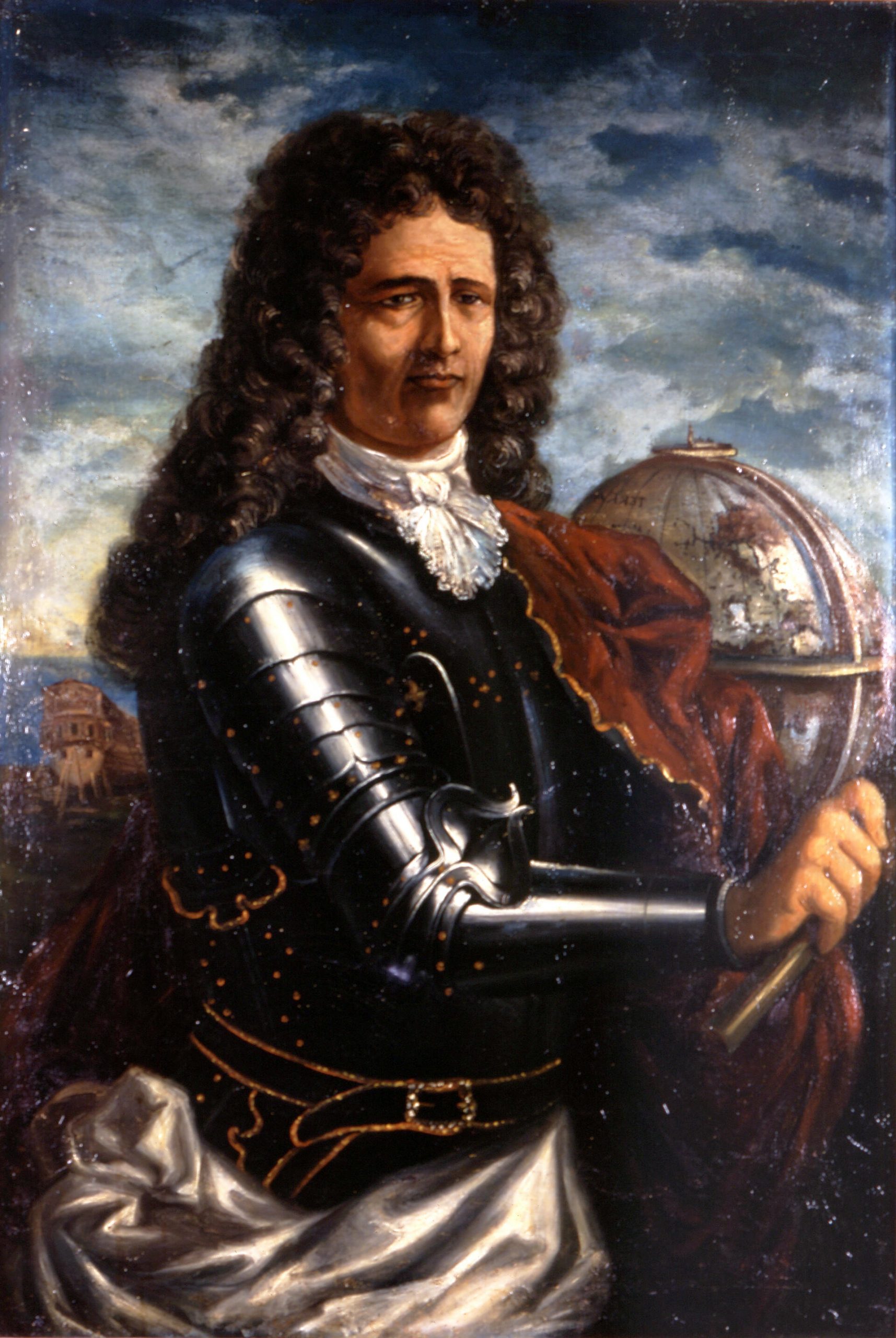
antonio gaztañeta and the. antonio gaztañeta and the.
Relacionado: La construcción naval según Gaztañeta: el primer sistema
Relacionado: La construcción naval según Gaztañeta: el primer sistema
antonio gaztañeta and the.
Antonio de Gaztañeta e Iturribalzaga (1656–1728): The Man Behind the Blueprint
Antonio de Gaztañeta e Iturribalzaga (1656–1728) was a mariner, admiral, naval constructor, and superintendent of the royal shipyards. His career combined years of sailing aboard Armada vessels with theoretical training that he applied to naval engineering. Philip V appointed him superintendent of the arsenals to materialize the Bourbon naval recovery plan. In 1720 he published Proporciones de las medidas más essempciales para la fábrica de navíos de guerra y mercantes, the reference manual for Spanish shipyards for nearly half a century.
Background: Naval Construction Before Gaztañeta
Before Gaztañeta, Spanish naval construction was governed by the empirical tradition of the maestros de ribera (shipwrights). Each shipyard used its own proportions and methods, and vessels came out with vastly different characteristics. The defeats of the War of the Spanish Succession (1701–1714) made clear the technical inferiority of Spanish ships compared to French and English ones. The Bourbons needed to modernize the Navy, and Gaztañeta was the man entrusted with the task. The Revista de Historia Naval explains it thus: ship carpentry evolved from empirical art to the science of naval construction.
The Gaztañeta System: Proportions and Measurements
The system established fixed proportions for all hull components, based on length, beam, and depth. Gaztañeta set the length at three times the beam — a ratio that sought the best compromise between speed, stability, and cargo capacity. He also defined the shapes of the sternpost, stem, and the entire skeleton of the ship. He classified vessels by number of guns. The system included precise instructions for every element. Gaztañeta drew on the knowledge of the Basque and Cantabrian tradition, but systematized it with a mathematical rigor never before seen in Spain.
Implementation in the Shipyards
As early as 1716, a 60-gun ship was built in Santoña. The first great ship was the Real Felipe, of 114 guns and 2,163 tons, built in Guarnizo (Santander) and launched in 1732. It took part in the Battle of Toulon in 1744. The Princesa, of 70 guns, built in Guarnizo in 1730, endured six hours of combat against three English ships in April 1740. The arsenals were organized according to the Ordinances of 1721. Havana was also a key shipyard.
Problems and Resistance
The maestros de ribera resisted the new system. Some ships came out with excessively heavy sterns. Spanish warships tended to be heavier and slower than their English counterparts.
Legacy
Gaztañeta was the first to apply a scientific method to naval construction. Cipriano Autrán and Pedro Boyer continued his work. Jorge Juan would later perfect it. The Museo Naval de Madrid preserves his manuscripts.
Sources
Revista de Historia Naval, Castanedo Galán, Todoavante, Museo Naval de Madrid, Archivo General de Indias.
Artículos relacionados
- The Mediterranean privateering and the Spanish privateers of the 18th century
- The ship San Ildefonso: a 74-gun ship of the Spanish Navy
- Ferrol: the arsenal that the 18th century Navy renewed
- Glosario de Historia Naval
Fuentes y recursos
- Archivo General de la Marina «Álvaro de Bazán»
- PARES – Portal de Archivos Españoles
- Todoavante – Historia naval española
Ver también: PARTE 3: La Habana 1762: cuando la logística falló | Viento en las velas: cómo la Royal Navy venció al escorbuto. Fuente: Antonio de Gaztañeta and the Naval Construction System That Modernized the Spanish Armada.
Ver también en el glosario: Artículos Relacionados, Artículos Relacionados, Artículos Relacionados, Fuentes Y Recursos, Fuentes Y Recursos, Escorbuto, Arsenal
Leave a Reply